
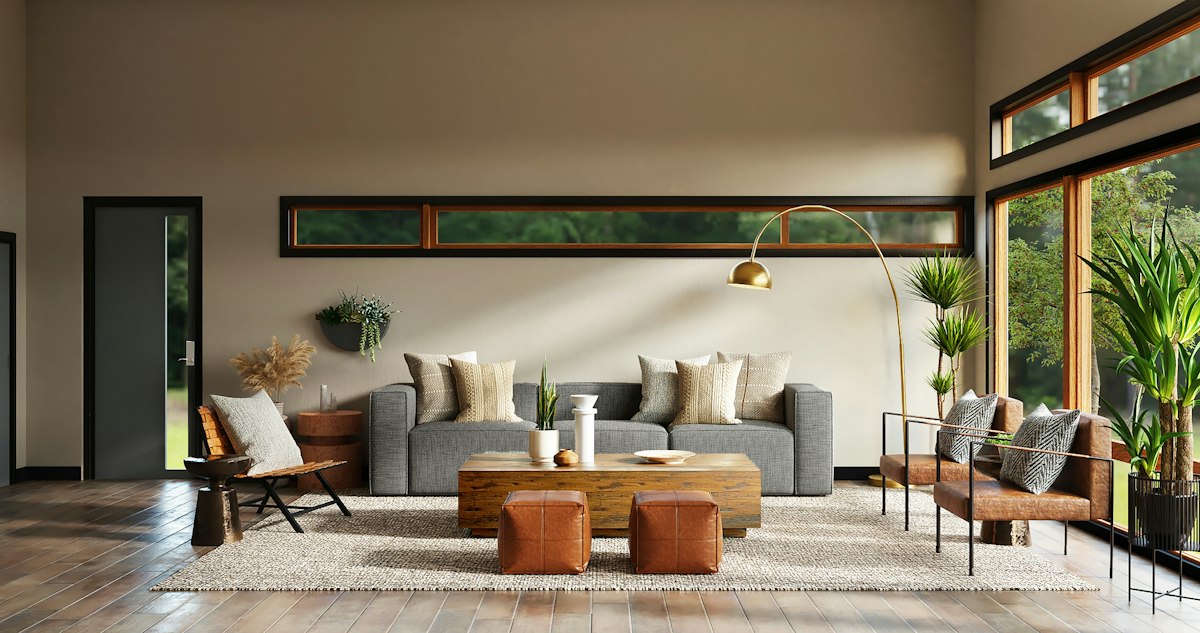
Is hiring an interior designer worth it?
An interior designer doesn't just pick colors — they solve spatial problems, manage budgets, coordinate contractors, and prevent costly mistakes. For projects over $25,000, a designer often saves more than their fee by avoiding wrong purchases and change orders.
How interior design pricing works
| Fee structure | Typical range | Best for |
|---|---|---|
| Flat fee | $2,000–$12,000 per room | Defined scope with clear deliverables |
| Hourly rate | $100–$350/hour | Consultations or smaller projects |
| Percentage of project | 10–25% of total budget | Full-service renovations |
| Cost-plus | Wholesale cost + 20–35% markup | Projects with significant purchasing |
The design process: What to expect
- Discovery consultation (1–2 hours): Discuss your lifestyle, style preferences, budget, and goals.
- Concept development (2–4 weeks): The designer creates mood boards, space plans, and preliminary selections.
- Design presentation: Review materials, furniture selections, and 3D renderings. Revisions are common and expected.
- Procurement & project management: The designer orders materials, coordinates deliveries, and manages contractors.
- Installation & styling: Final placement of furniture, art, and accessories to bring the design together.
How to find the right designer for you
- Review portfolios for a style that resonates — every designer has a signature aesthetic.
- Ask about their experience with projects similar to yours in scope and budget.
- Request client references and follow up on them.
- Clarify fee structures, payment schedules, and what's included before signing a contract.
- Ensure good communication — you'll be collaborating closely for weeks or months.
FAQ
Can I hire a designer for just one room?
Absolutely. Many designers offer single-room packages or hourly consultations for homeowners who want professional guidance on a focused area.
What's the difference between an interior designer and a decorator?
Interior designers often have formal education and can handle space planning, construction documents, and building codes. Decorators focus primarily on aesthetics — furnishings, color, and styling.